23 жовтня 2026
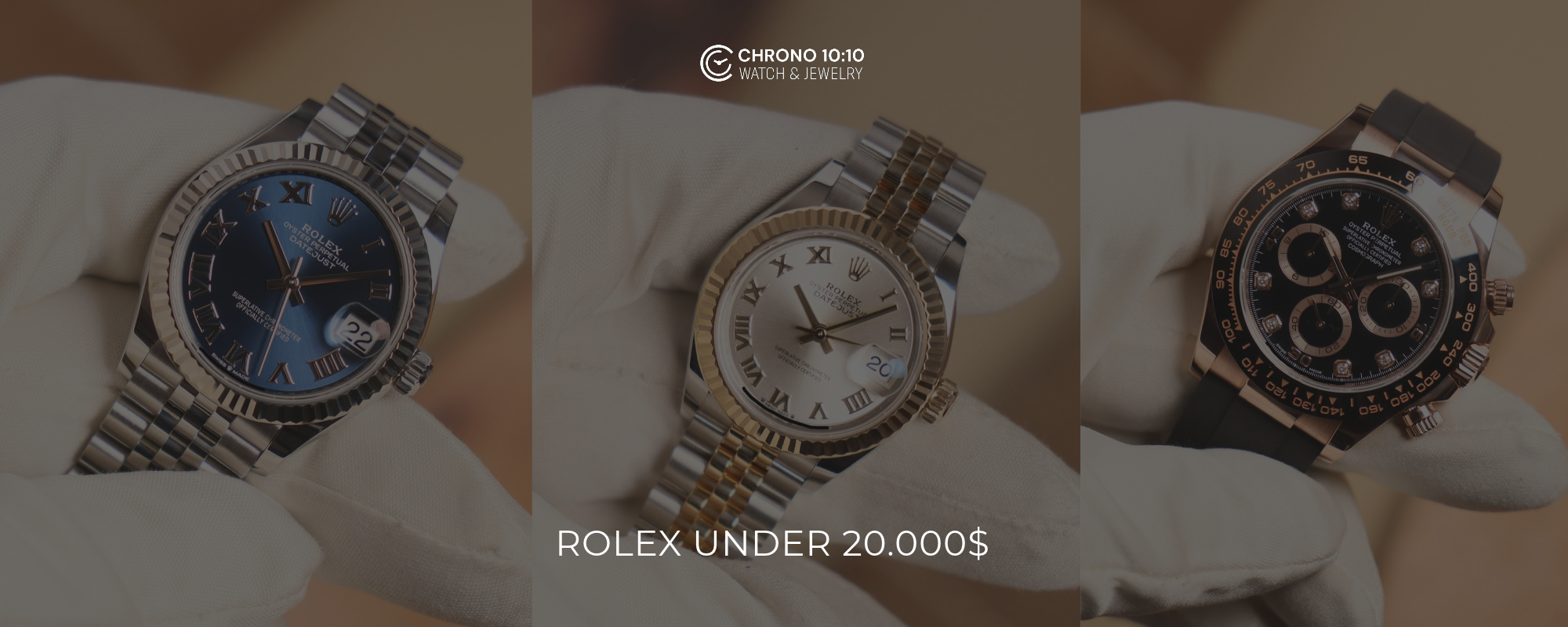
Rolex до 20.000$: якість і статус за доступною ціною


У кожному професійному середовищі існує власна мова, яку ще називають сленгом. Вона фактично відчиняє двері до спільноти ентузіастів, експертів і майстрів, які розуміють одне одного з півслова, орієнтуються у всіх тонкощах справи, якою захоплюються. Але навіть це не є головним. Розуміння сленгу годинникової спільноти означає краще орієнтуватися серед новинок, трендів цієї індустрії, а також нюансів і деталей, що можуть знадобитися як під час придбання преміальних годинників, так і при їхньому обслуговуванні. Саме тому ми впевнені — такий своєрідний словник вузькоспеціалізованих термінів і сленгових назв, популярних серед ентузіастів, хорологів і колекціонерів, може стати вам у пригоді.
Сленгова лексика формувалася десятиліттями, адже це не просто термінологія чи скорочення. Це позначення часом цілого явища, специфічна фразеологія, яку знають лише посвячені — саме так у професійному середовищі впізнають «своїх». Водночас ми вирішили не відмовлятися від загальноприйнятої годинникової термінології, адже багато хто не завжди може зрозуміти, про що йдеться. Отже, запрошуємо зануритися у світ поціновувачів високого годинникового мистецтва та почати говорити з ними однією мовою.
Годинниковий безель — це нерухоме або обертове кільце, яке фіксує скло на корпусі годинника. У нерухомому варіанті безелі є додатковою шкалою з розміткою, а рухомі безелі можуть бути одновекторними (переважно використовуються у дайверських годинниках) або такими, що обертаються в обох напрямках. Безелі часто застосовуються в дизайнерських рішеннях, завдяки чому деякі з них отримали власні прізвиська:
Pepsi. Походить від синьо-червоного безеля, який уперше з’явився на моделі Rolex GMT-Master у середині минулого століття спеціально для пілотів авіакомпаній США.
Batman. Асоціація з легендарним героєм коміксів дала цю назву версії Rolex GMT-Master II з чорно-синім керамічним безелем.
Coke. І знову відсилання до знаменитого американського газованого напою Coca-Cola. Такий безель став альтернативою Pepsi для тих, хто віддає перевагу водночас стриманості та елегантності.
Hulk, Kermit, Starbucks. Це прізвиська нового століття, визначені зеленим кольором: Hulk — повністю зелена керамічна версія, навіяна героєм коміксів Marvel; Kermit — поєднання чорного циферблата та зеленого алюмінієвого безеля, присвячене 50-річчю Submariner; Starbucks — прізвисько, натхненне палітрою всесвітньо відомої мережі кав’ярень.
Цей елемент годинника не потребує особливих пояснень — це поверхня, на якій відображаються стрілки, цифри або мітки, індекси для позначення часу й дати, а також додаткові ускладнення. Деякі циферблати викликають певні емоції та асоціації, звідси й виникають їхні прізвиська:
Panda. Білий циферблат хронографа з трьома чорними лічильниками, які візуально нагадують мордочку панди. Чорно-білий контраст дозволяє легко зчитувати показники лічильників. Існує й інверсія, де на чорному циферблаті розташовані світлі лічильники, як у Rolex Daytona та Omega Speedmaster.
Патина. Такий циферблат ніби підкреслює зрілість виробу. Він являє собою зміну кольору люмінесцентних міток і стрілок у вінтажних аксесуарах під багаторічним впливом світла, вологи та повітря. А на корпусах бронзових годинників патина є результатом окислення, що робить кожен екземпляр неповторним, створюючи індивідуальний візерунок. Подібні зміни свідчать про унікальність годинника та певною мірою визначають його вартість.
Gilt, tropic. Gilt-циферблат вирізняється золотистою фарбою в маркуванні та написах. Особливо цінується такий стиль у вінтажних Rolex, випущених у 1950–1960-х роках. Tropic — це назва циферблатів, які втратили первинний колір або стали коричневими внаслідок тривалого перебування на сонці.
Апліке. Цифри, символи або декоративні елементи з металу, закріплені на циферблаті.
Твінсепт. Цифрові дані, які ніби «плавають» над аналоговим циферблатом.
Жакемари. Рухомі фігурки на циферблаті, що імітують відбивання часу. Характерні для репетирів Ulysse Nardin серії Jaquemart.
Корпус — це фактично «тіло» годинника, у якому розміщені всі його «внутрішні органи». Він виготовляється з різних матеріалів і має найнеочікуваніші форми, що, за задумом майстрів, необхідно саме для цієї моделі з метою розміщення всіх технічних ускладнень. За корпусами годинників відомих брендів закріпилися специфічні назви: Tank, Tonneau, Cushion, Oyster («Устриця»), Толкач та інші.

15 років на ринку

Власний сервісний центр

2 роки офіційної гарантії

Перевірена автентичність

 20 жовтня 2026 21 жовтня 2026 20 жовтня 2026