23 жовтня 2026
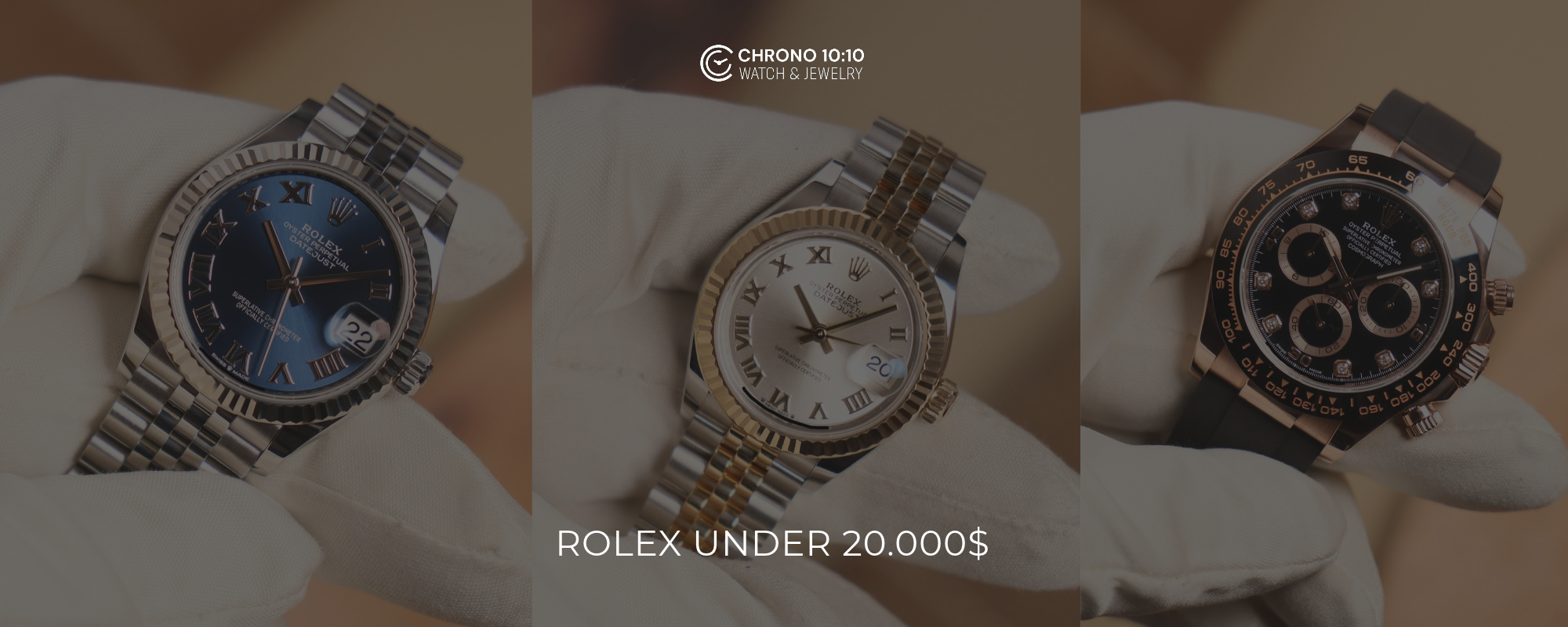
Rolex до 20.000$: якість і статус за доступною ціною


А чи знаєте ви, чим відрізняються годинники, які «мерехтять», від тих, що «цокають»? Ні, йдеться не про порівняння кварцу та механіки. Розбираючись у цих відмінностях, ми занурюємося у світ найрідкісніших ускладнень: Seconde Foudroyante та Jumping Seconds. Обидва народилися з прагнення до абсолютної точності, але реалізовані вони зовсім по-різному. Кожне з них вимагає найскладніших технічних рішень і віртуозної майстерності у втіленні.
Проблему надточності століттями намагалися вирішити допитливі уми віртуозних годинникових майстрів. Вони змушували годинники механічними способами відраховувати час до останньої секунди, за якою насправді ховалася ще одна, що отримала назву Seconde Foudroyante — блискавичної секунди. З такою ж місією у світ годинникового мистецтва прийшло ускладнення, при використанні якого час позначається стрілкою або диском, що переміщується на одну позицію щогодини. Йдеться про Jumping Seconds — стрибаючу секунду. Ці ускладнення, на перший погляд, схожі, однак насправді вони вирішують різні завдання. Розберімося, у чому їхні відмінності.
Це ефектне ускладнення часто зустрічається в хронографах, створених із бажання вимірювати за допомогою годинника певні часові інтервали, ще й з точністю до секунди. При цьому спеціальна стрілка рівномірно та плавно рухається по колу, здійснюючи один повний оберт за 1 секунду.
Основні особливості Seconde Foudroyante:
За такого технічного рішення стрілка здійснює стрибки (jumping), ніби мерехтить, вимагаючи підвищених енерговитрат. Вона повинна рухатися з дуже високою кутовою швидкістю і миттєво зупинятися кілька разів за секунду. Такий механізм зустрічається переважно в годинниках брендів із luxury-сегмента, наприклад, Zenith El Primero, Jaeger-LeCoultre Duomètre, Habring² Foudroyante та інших.
Оскільки споживання великої кількості енергії швидко виснажує запас ходу, у годинниках із таким ускладненням навіть встановлюють ще один заводний барабан спеціально для роботи Seconde Foudroyante, якого вистачає приблизно на три години роботи. Щоб активувати мерехтливу Seconde Foudroyante, достатньо натиснути кнопку, а повторне натискання поверне стрілку у початкову позицію.
Jumping Seconds (Deadbeat Seconds) — ускладнення механічних годинників люксового класу, при якому окрема стрілка переміщується з точністю до однієї секунди аналогічно її руху в кварцових годинниках. Це означає, що годинник «цокає» щосекунди, а не рухається плавно, як у більшості моделей. За такого ускладнення енергія ритмічно вивільняється, що досить часто зустрічається, наприклад, у моделях бренду A. Lange & Söhne.
Коротко викладемо суть Jumping Seconds:
Тут приховується певна інженерна іронія. Механіка навмисно імітує кварц, і це найскладніший технологічний виклик, який майстри кидають самі собі. Навіщо? Щоб довести: «Ми можемо все!»
Ідея таких ускладнень виникла ще наприкінці XIX століття — наукові дослідження, військові потреби, спортивні змагання, особливо кінні перегони, вимагали високої точності. Так, Seconde Foudroyante виникла з необхідності фіксувати частки секунди в динаміці під час наукових спостережень, що потребували ідеальної синхронізації. Jumping Seconds народилася з потреб високоточних астрономічних спостережень. Пізніше, вже у XX столітті, компанії Rolex та Omega адаптували ці технології для своїх моделей наручних годинників.
Сьогодні інтерес до таких складних механізмів майже зійшов нанівець, оскільки електроніка забезпечує такі ускладнення набагато простіше й точніше. Однак уся суть високого годинникового мистецтва й полягає в тому, щоб ювелірна інженерія досягала власними засобами найдосконаліших результатів, а годинникова механіка цінувалася, виділяючи унікальні бренди на ринку за допомогою таких ключових відмінностей:
Спроби розробити надійні механізми Seconde Foudroyante та Jumping Seconds тривають. Серед зірок Seconde Foudroyante можна знайти такі іконічні моделі, як:
Багато брендів, як і окремі незалежні майстри, використовують у годинниках Seconde Foudroyante як елемент престижу. Так, на провідній паризькій онлайн-платформі Collector Square, що спеціалізується на вторинному ринку люксових годинників та інших ексклюзивних товарів, можна зустріти гранд-ускладнення різних брендів із гарантією автентичності.
Серед зірок Jumping Seconds привертають увагу такі моделі:
Отже, Foudroyante Seconds та Jumping Seconds — це два способи сказати одне й те саме: «Час — не просто потік, він складається з атомів, і ми вміємо їх рахувати». Для багатьох поціновувачів ексклюзивних ускладнень і люксових годинників це філософія, спосіб зрозуміти й усвідомити, скільки інженерних ідей, кропіткої праці, терпіння й таланту стоїть за кожним компонентом годинникового механізму, зокрема за маленькою стрілкою на циферблаті. Саме такі шедеври, здатні дробити час на «мерехтливі» уламки або зупиняти його на секунди й наздоганяти «стрибками», нагадують усім, що годинникова справа — це справжнє мистецтво.
P.S. Для тих, хто хоче не лише читати про такі шедеври, а й володіти ними.
У Chrono 10:10 ми не просто пишемо про рідкісні ускладнення — ми допомагаємо знайти, оцінити та придбати годинники з такими механізмами або, навпаки, продати їх, якщо настав час розлучитися.

15 років на ринку

Власний сервісний центр

2 роки офіційної гарантії

Перевірена автентичність

 20 жовтня 2026 21 жовтня 2026 20 жовтня 2026